
Lower Limb Tests

ABI ± Exercise
Lower Limb Arteries
Deep Vein Thrombosis Study
Venous Incompetence Study
Popliteal Entrapment Study
ABI ± Exercise
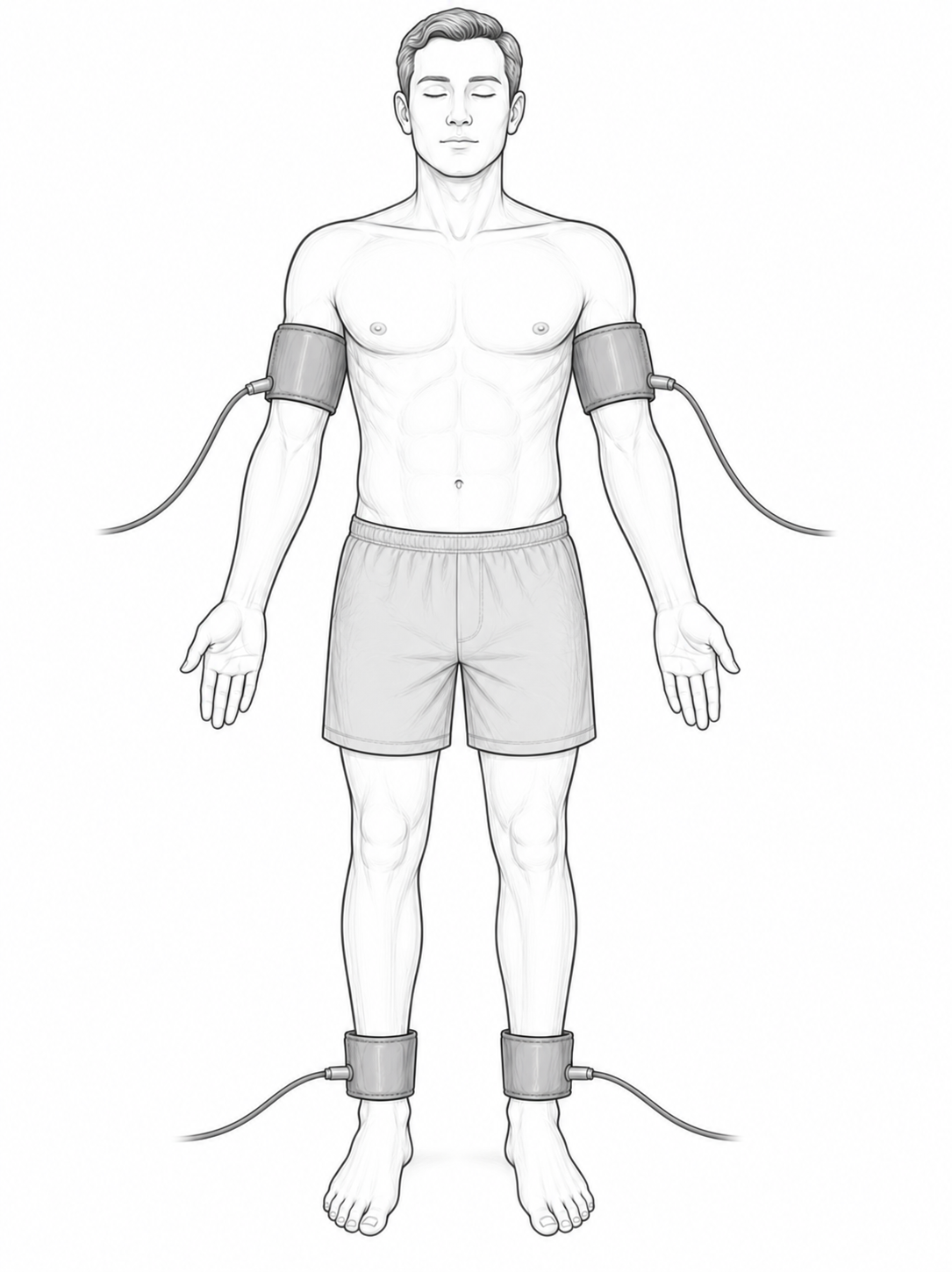
Procedure
An ankle brachial index (ABI) is a diagnostic test which measures the systolic pressures of the tibial arteries, and compares them with the pressures in the brachial arteries. ABIs are a highly sensitive method to screen for peripheral arterial disease, and can give quantitative measurements of lower limb ischemia. Adding a post exercise measurement increases the sensitivity of the test.
Indications
Claudication, ischemic foot, monitoring of known arterial disease.
Lower limb arteries
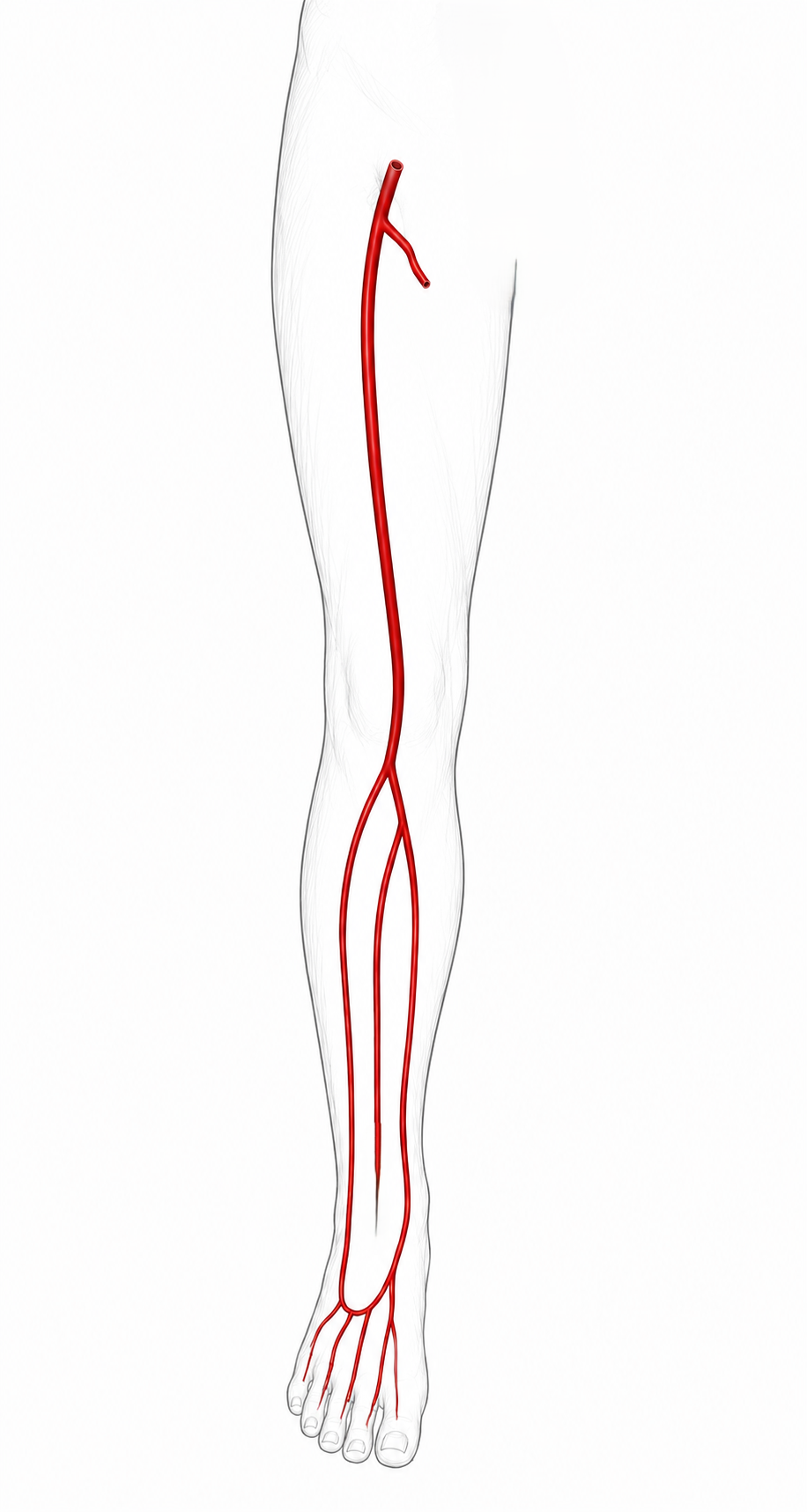
Procedure
A duplex of the femoral, popliteal and tibial arteries to determine the severity and location of arterial stenoses, aneurysm and other disease.
Indications
Claudication, ischemic foot, monitoring of aneurysmal disease, monitoring of lower limb arterial stents and grafts.
deep vein thrombosis study
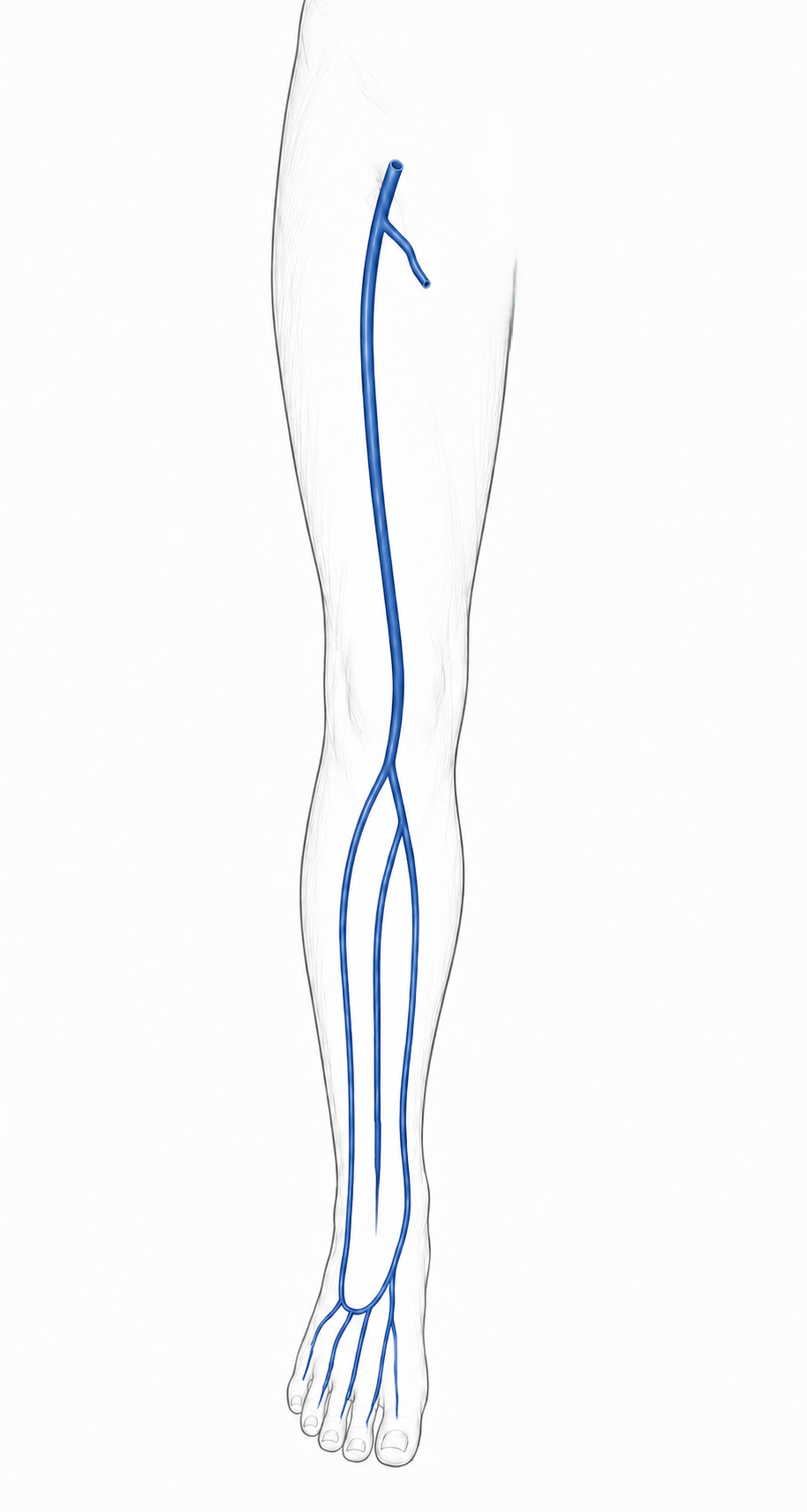
Procedure
A duplex of the femoral, popliteal and deep veins of the calf to identify deep venous thrombosis. The superficial veins (saphenous and obvious varicosities) will also be assessed for thrombosis.
Indications
Acute lower limb pain or swelling, genetic predisposition, active cancer, period of immobility, pulmonary embolism.
Venous incompetence study
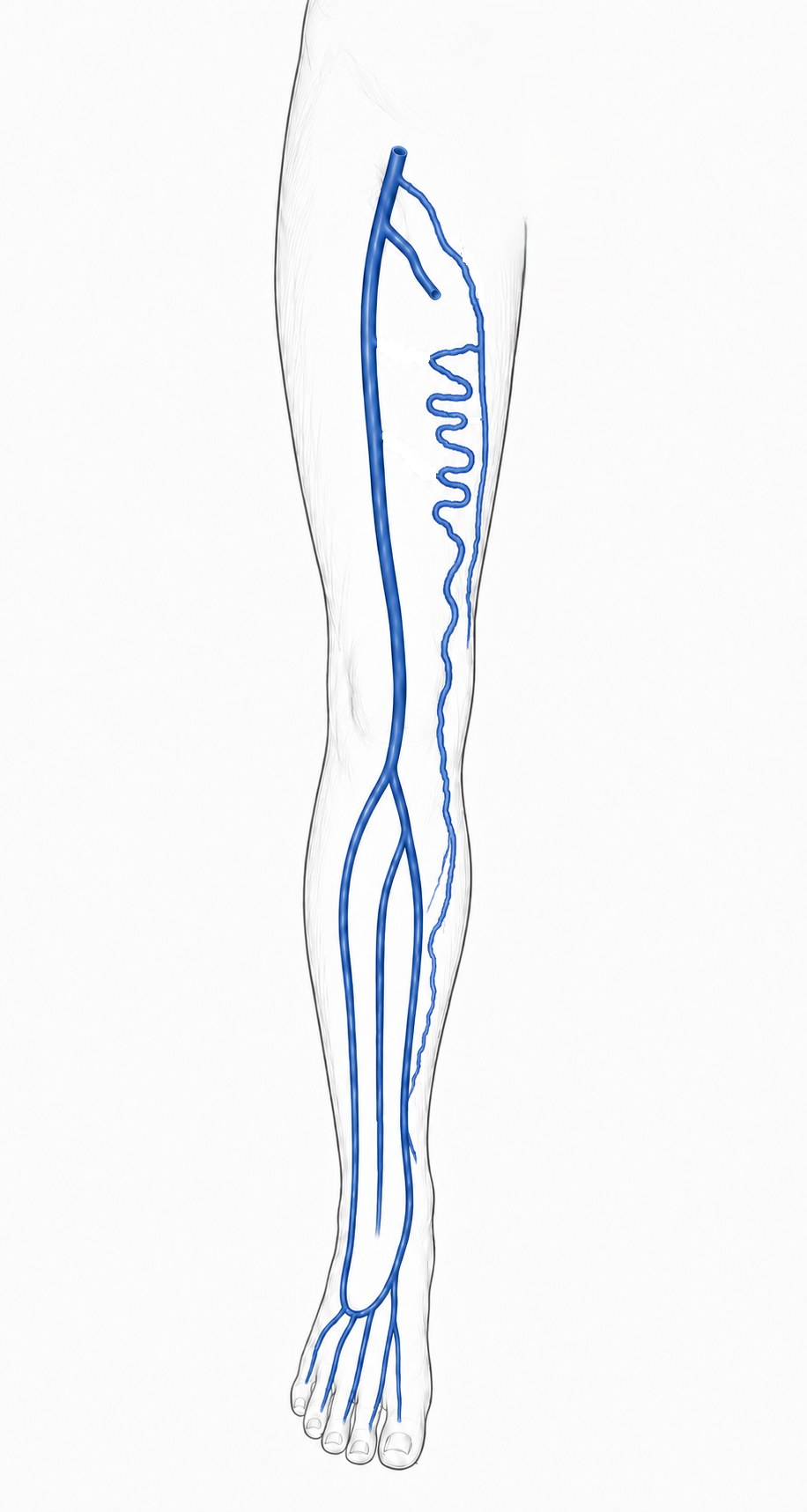
Procedure
A venous incompetence study is a functional ultrasound exam, which assesses the presence and pattern of reflux in both the deep and superficial veins.
Indications
Varicose veins, chronic lower limb swelling, skin pigmentation, chronic lower limb ulceration.
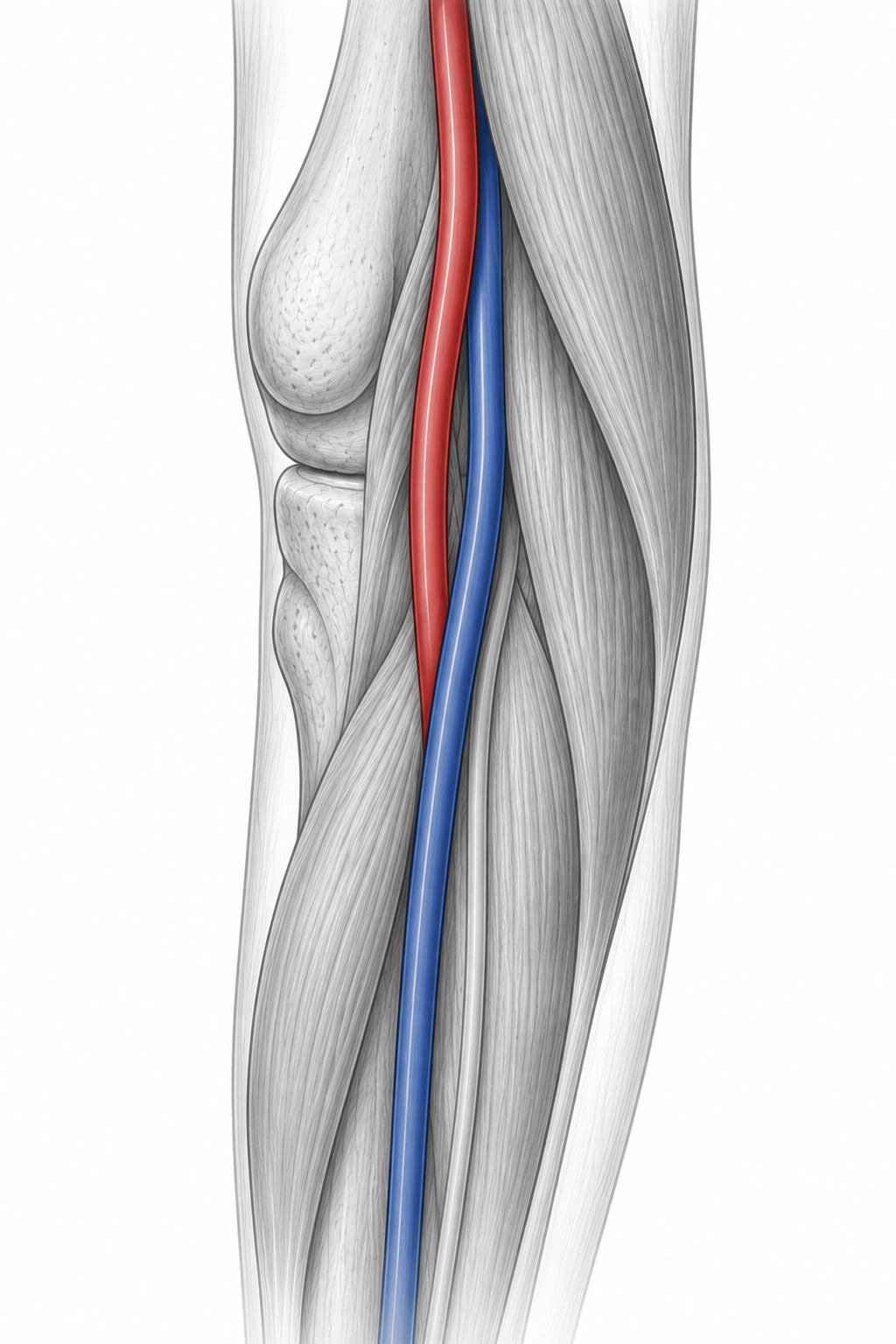
Popliteal entrapment study
Procedure
A functional duplex study of the popliteal artery and vein to assess for evidence of dynamic compression with active pedal plantarflexion.
Indications
Atypical claudication, particularly in younger and highly active patients.